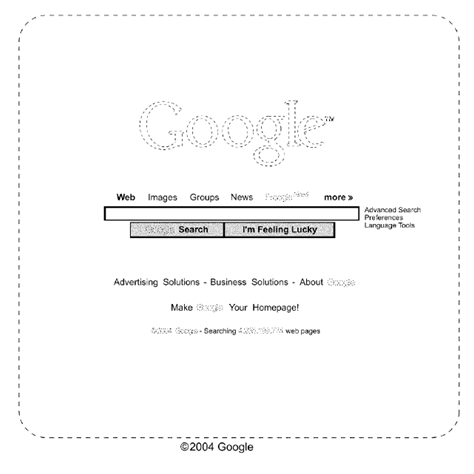
The USPTO today published new examination guidance that relaxes the rules for obtaining design patents on computer-generated interfaces and icons, completing a policy arc that began with a 2020 request for public comment on the meaning of “article of manufacture” in 35 U.S.C. § 171. Supplemental Guidance for Examination of Design Patent Applications Related to Computer-Generated Interfaces and Icons, Docket No. PTO-P-2026-0133 (Mar. 13, 2026). The guidance makes three practical changes that design patent prosecutors should take note of immediately.
- First, it removes the longstanding requirement in MPEP § 1504.01(a) that drawings depict a display panel or portion thereof in solid or broken lines for applications directed to computer-generated interfaces or icons, so long as the title and claim properly identify an article of manufacture.
- Second, it reverses the 2023 position on claim language, now holding that titles and claims using the preposition “for” (such as “icon for display screen” or “projected interface for computer”) adequately describe a design for an article of manufacture under § 171.
- Third, it extends design patent eligibility to projected and holographic interfaces and to virtual and augmented reality designs for computers and computer systems.
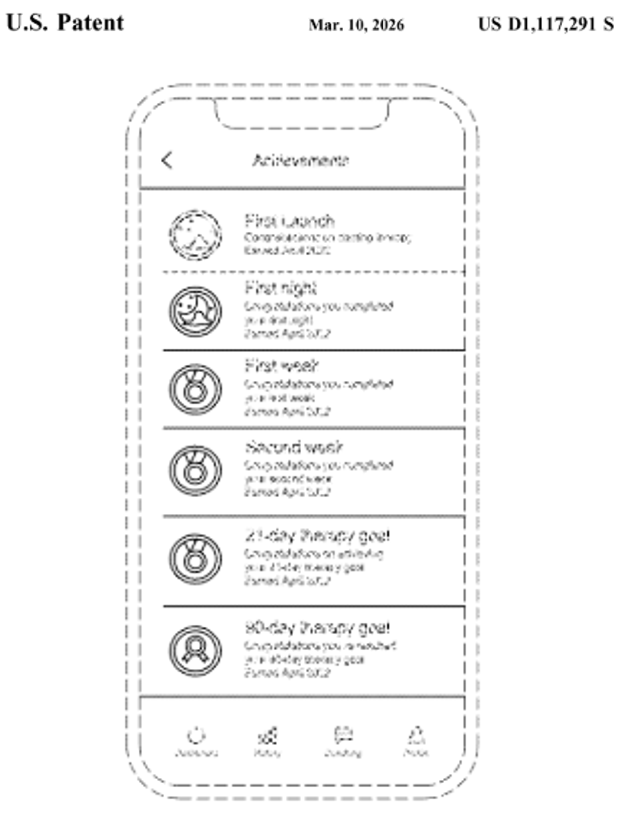
Under the old practice, the claim put the article of manufacture first and described the GUI as being “with” or “on” it: “The ornamental design for a display screen or a portion thereof with a graphical user interface, as shown and described.” And the drawings had to include a broken-line border showing the display panel. Under the new guidance, applicants now have the option to flip the grammar so the design element leads and the article follows the word “for”: “The ornamental design for a graphical user interface for a display screen, as shown and described.” Or broader still: “The ornamental design for a graphical user interface for a computer, as shown and described.” The guidance also accepts “computer icon” standing alone as adequate claim language, since the word “computer” in that compound term is treated as identifying the article of manufacture.
GUI patents classified in USPC D14/485–495
2011–25
GUI Patents
2016
GUI Share
This new guidance gives applicants (at least) two additional degrees of freedom. (more…)
 The Engelberg Center on Innovation Law and Policy at New York University School of Law is seeking applicants for the full-time position of Executive Director. They seek an Executive Director with an entrepreneurial approach who would be an engaged participant in formulating and implementing an ongoing vision for the Center's programs in competition, innovation, and information law. Specific duties will be determined in consultation with the Center's faculty directors, but should be expected to include: developing a policy-oriented research agenda, preferably in a way that could involve students, fundraising for the Center from industry, foundation, or government sources, and planning conferences and other events (with the help of the center's administrator). More information about the Center and its activities is at
  The Engelberg Center on Innovation Law and Policy at New York University School of Law is seeking applicants for the full-time position of Executive Director. They seek an Executive Director with an entrepreneurial approach who would be an engaged participant in formulating and implementing an ongoing vision for the Center's programs in competition, innovation, and information law. Specific duties will be determined in consultation with the Center's faculty directors, but should be expected to include: developing a policy-oriented research agenda, preferably in a way that could involve students, fundraising for the Center from industry, foundation, or government sources, and planning conferences and other events (with the help of the center's administrator). More information about the Center and its activities is at
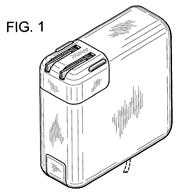
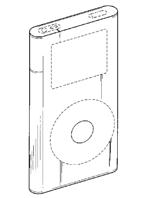
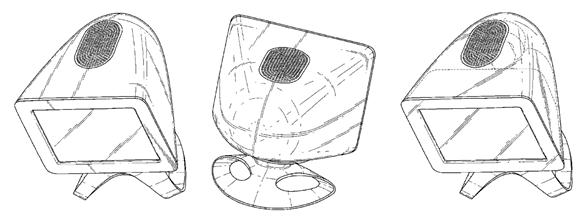
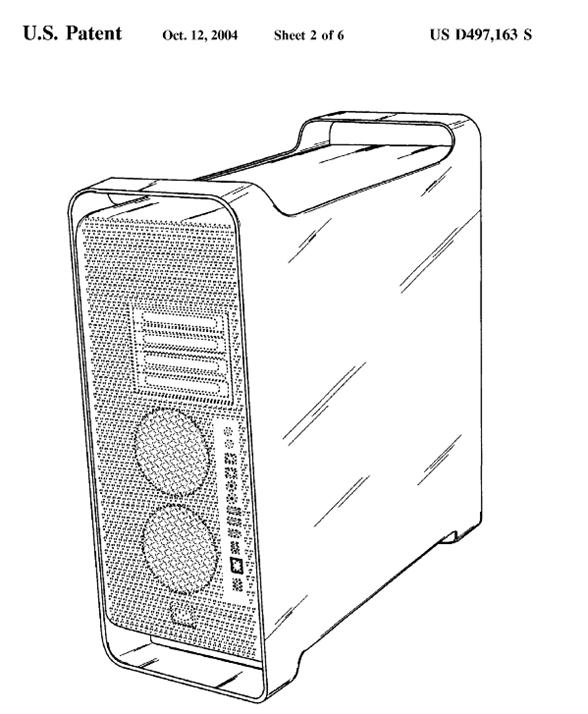
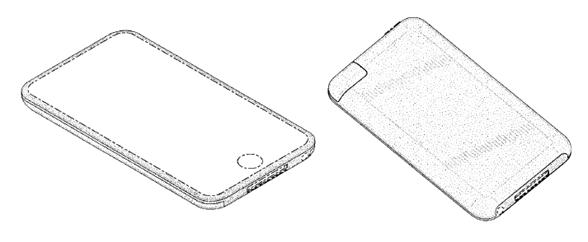
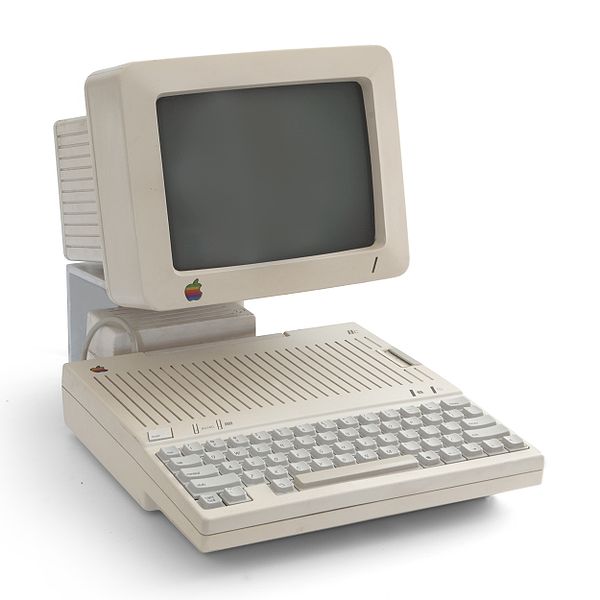
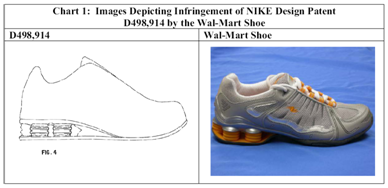
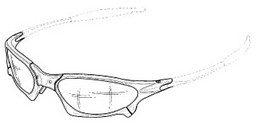
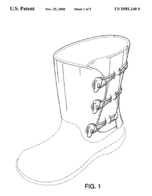
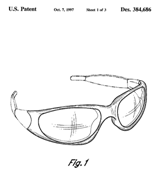
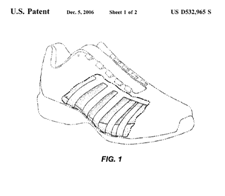
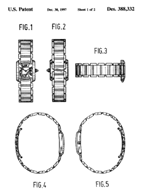
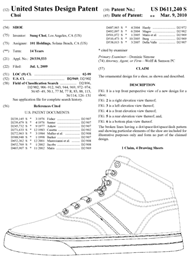 Fashion & Design Patent Rights: Some fashion industry markets have found design patents as valuable. These include eyewear, shoes, handbags, and jewelry. Despite widespread and growing use, fashion industry leaders have continued to push additional forms of protection that are easier to obtain.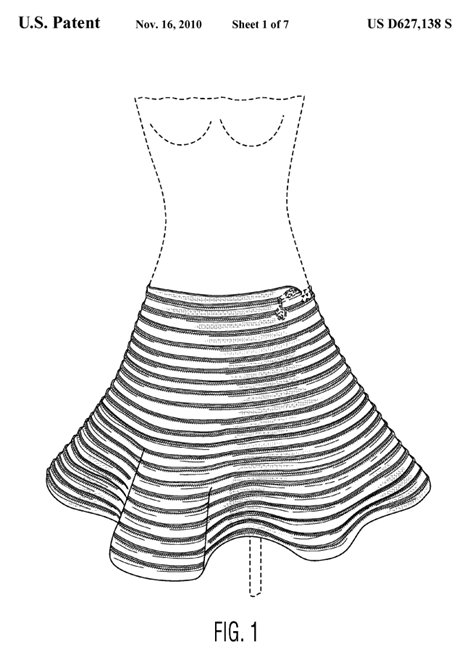

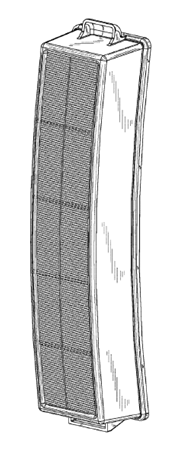 Bissell Homecare v. Wildwood Industries (W.D. Mich. 2009)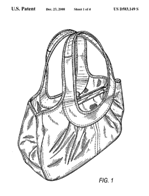
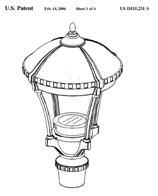
 2008-1078 (Fed. Cir. 2009)
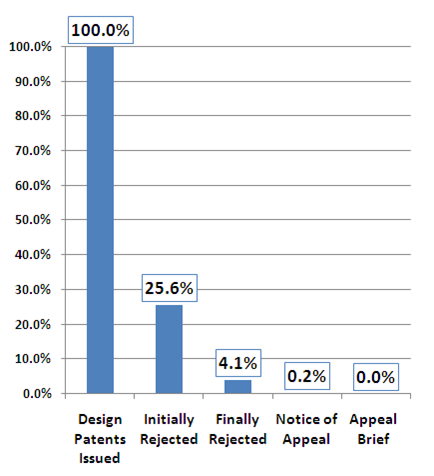
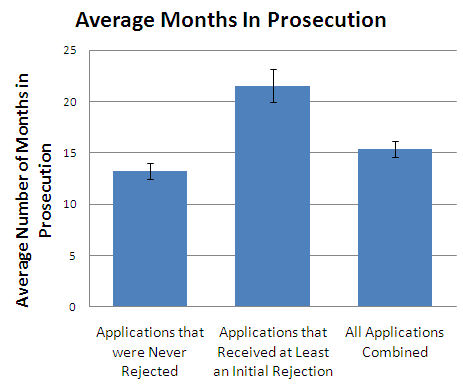
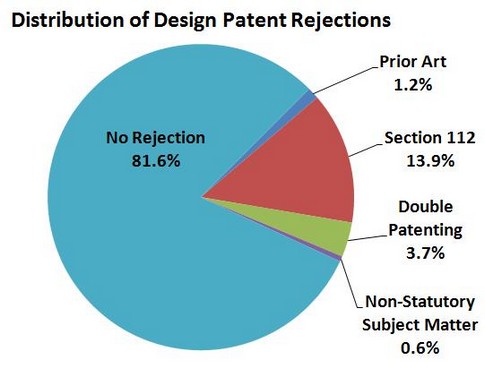
 Over eighty percent of utility patent applications are initially rejected during prosecution. Some areas of technology – such as semiconductors – have a lower rejection rate while others – such as electronic commerce methods – have an even higher rejection rate.